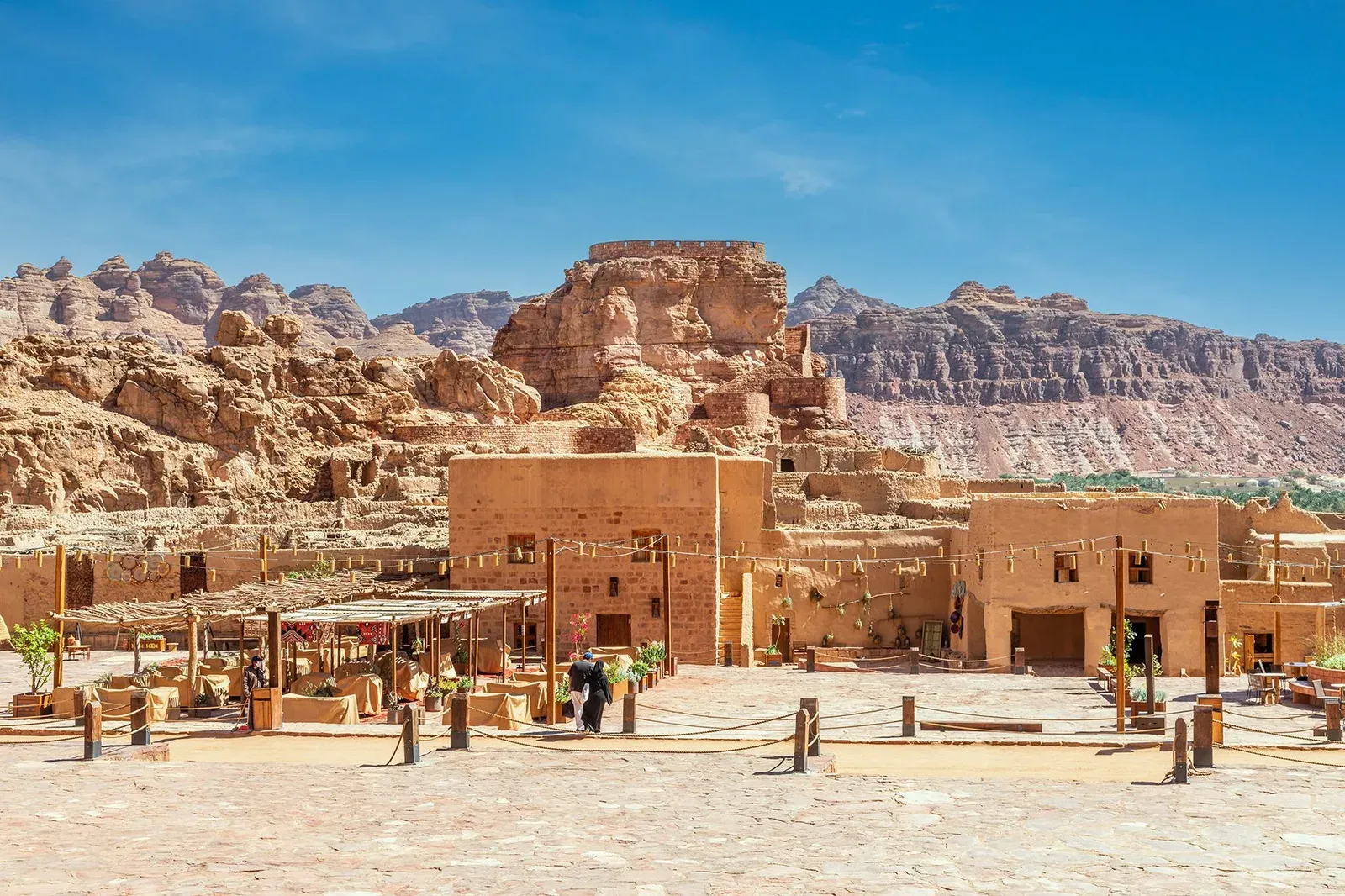
Silk Road eSIM (Central Asia)

Almaty Samarkand Bishkek

From the madrasas of Samarkand to the mountains of Kyrgyzstan and the Caucasus, the Silk Road is the trip of a lifetime — and a connectivity headache, since local SIMs here often need passport registration at an office. One regional eSIM covers the whole route.

As low as $19.90 USD  · QR by email · Works on arrival

Browse plans
KazakhstanUzbekistanKyrgyzstanGeorgiaArmeniaMongolia

Silk Road eSIM (Central Asia)

Instant QR delivery · No contract · Cancel anytime

All plans: instant email delivery · free replacement or refund within 30 days · no account needed.

Is my phone compatible?

Most failures come down to carrier lock, not the phone model — check yours first, it takes 5 seconds:

  • iPhone: Settings → General → About → look for "No SIM restrictions."
  • Android: Settings → About phone → dial *#06# — an EID number means your phone has eSIM hardware.

Most flagship phones from 2019 onward support eSIM — iPhone XS and newer, Google Pixel 3 and newer, recent Samsung Galaxy S/Note/Z models.

Apple's eSIM-compatible iPhones ↗ · Google Pixel eSIM guide ↗

Kazakhstan · Uzbekistan · Kyrgyzstan +

Asia 30+ Countries · 10 days · 6GB

10 days
Regional roaming
$19.90 USD

6GB high-speed + unlimited 128kbps

  • Covers Kazakhstan, Uzbekistan, Kyrgyzstan, Georgia, Armenia, Mongolia
  • 6GB high-speed, then unlimited 128kbps
  • One eSIM for the whole trip

Turn on data roaming in your phone settings when you arrive. This is a roaming profile, so your phone treats it as a foreign network.

QR emailed within minutes · Stripe secure checkout · No account needed

Silk Road eSIM (Central Asia)

Most “Central Asia” eSIMs cover a narrow set of countries. This one spans a far wider Silk Road: Kazakhstan, Uzbekistan and Kyrgyzstan, plus the Caucasus (Georgia and Armenia) and Mongolia — on one data balance, switching networks automatically as you cross each border. Use it to navigate Almaty and Bishkek, translate a bazaar menu in Samarkand, and check the next marshrutka. Be realistic about the geography: coverage is solid in cities and along main routes, but thins out on the steppe, in the high mountains and across the Gobi — carry offline maps for the remote legs. Data-only; keep your home SIM for calls.

Travel guides